




· By Sunny Dodeja
Complete Guide to Nuts for Heart Health: Lower Cholesterol & Prevent Heart Disease Naturally
Snacking doesn’t have to feel like a guilty pleasure. In fact, some snacks can actually work in your favor especially when it comes to protecting your heart. If you’ve ever stood in front of your pantry wondering whether that handful of nuts is a smart choice or just another calorie bomb, this guide is for you.
Nuts are one of those rare foods that check all the boxes: satisfying crunch, rich flavor, and serious health benefits. Research continues to show that the right nuts, eaten in the right way, can help support healthy cholesterol levels and reduce long-term heart risks. Let’s explore how they work, which ones matter most, and how to enjoy them without overthinking it.
Why Nuts Are So Good for Your Heart
The magic of nuts lies in their fat profile. Unlike processed snacks that rely on trans fats or refined oils, nuts are packed with unsaturated fats. These fats help lower LDL cholesterol (the kind that contributes to plaque buildup) while supporting overall cardiovascular balance.
Beyond fats, nuts are loaded with fiber, antioxidants, and plant compounds that help calm inflammation. Chronic inflammation is one of the biggest contributors to heart disease, often working silently for years before symptoms appear. Nuts help interrupt that process.
Another benefit many people overlook is how filling nuts are. When you snack on them, you’re less likely to overeat later, which indirectly supports heart health by helping with weight management and blood sugar control. This is one of the reasons nutrition experts often talk about nuts for heart health as a long-term lifestyle choice rather than a quick fix.
The Link Between Nuts and Cholesterol Levels
Cholesterol issues don’t develop overnight, and they don’t disappear overnight either. But studies consistently show that people who include nuts in their daily diet see improvements in cholesterol markers within weeks.
The fiber in nuts helps reduce cholesterol absorption in the gut, while healthy fats improve the ratio of good to bad cholesterol in the bloodstream. Over time, this combination supports cleaner arteries and better circulation. That’s why conversations around nuts and cholesterol are becoming more common in heart-health research.
What matters most is consistency. A small daily serving, eaten regularly, does far more than an occasional large portion.
Which Nuts Stand Out for Heart Health?
All nuts offer benefits, but some have unique properties that make them especially supportive of cardiovascular health.
Almonds
Almonds are rich in fiber and vitamin E, a powerful antioxidant that protects blood vessels from oxidative damage. Eating almonds regularly has been shown to reduce LDL cholesterol while keeping you feeling full longer.
Walnuts
Walnuts are famous for their omega-3 fatty acids. These plant-based fats help reduce inflammation and improve the flexibility of blood vessels. Walnuts are often recommended for people focused on long-term heart protection.
Pecans
Pecans are packed with polyphenols, compounds that help fight oxidative stress. They also contain healthy fats that support balanced cholesterol levels.
Peanuts
Often underestimated, peanuts are high in protein and contain resveratrol, an antioxidant linked to heart protection. When eaten in moderation, peanut's cholesterol impact is generally positive, especially when they replace refined or sugary snacks.
Each of these nuts contributes differently, which is why variety is usually better than sticking to just one type.
How Nuts Help Prevent Heart Disease Naturally
Heart disease develops through a mix of factors: high cholesterol, inflammation, insulin resistance, and poor vascular function. Nuts address several of these issues at once.
They support healthier blood lipids, reduce oxidative damage, and help regulate blood sugar. Over time, these benefits add up. This is why many large population studies associate regular nut consumption with lower rates of heart attacks and cardiovascular events.
Rather than acting like medicine, nuts quietly support the body’s natural defenses. That’s what makes nuts prevent heart disease such a powerful concept: it's prevention through everyday habits, not extreme measures.
How Much Should You Eat?
More isn’t always better. Nuts are calorie-dense, which means portion control matters.
A healthy daily serving is about one ounce, roughly a small handful. That amount provides enough nutrients to support heart health without tipping the calorie scale too far. Eating nuts slowly and mindfully helps you enjoy them more and avoid overeating.
When nuts replace processed snacks rather than adding to them, the benefits become even more noticeable.
What Science and Experts Say
Major health organizations are aligned when it comes to nuts.
The Mayo Clinic highlights their ability to improve cholesterol levels and support heart health when they’re part of a balanced diet. The American Heart Association encourages regular nut intake because of their unsaturated fats and fiber content. Research supported by the National Institutes of Health shows improvements in inflammation markers and lipid profiles in people who eat nuts consistently.
This scientific backing is why nutrition professionals often recommend nuts as one of the best nuts to lower cholesterol, especially when combined with other heart-healthy habits.
Easy Ways to Add Nuts to Your Daily Routine
Healthy eating sticks when it’s enjoyable. Nuts make that easier than most foods.
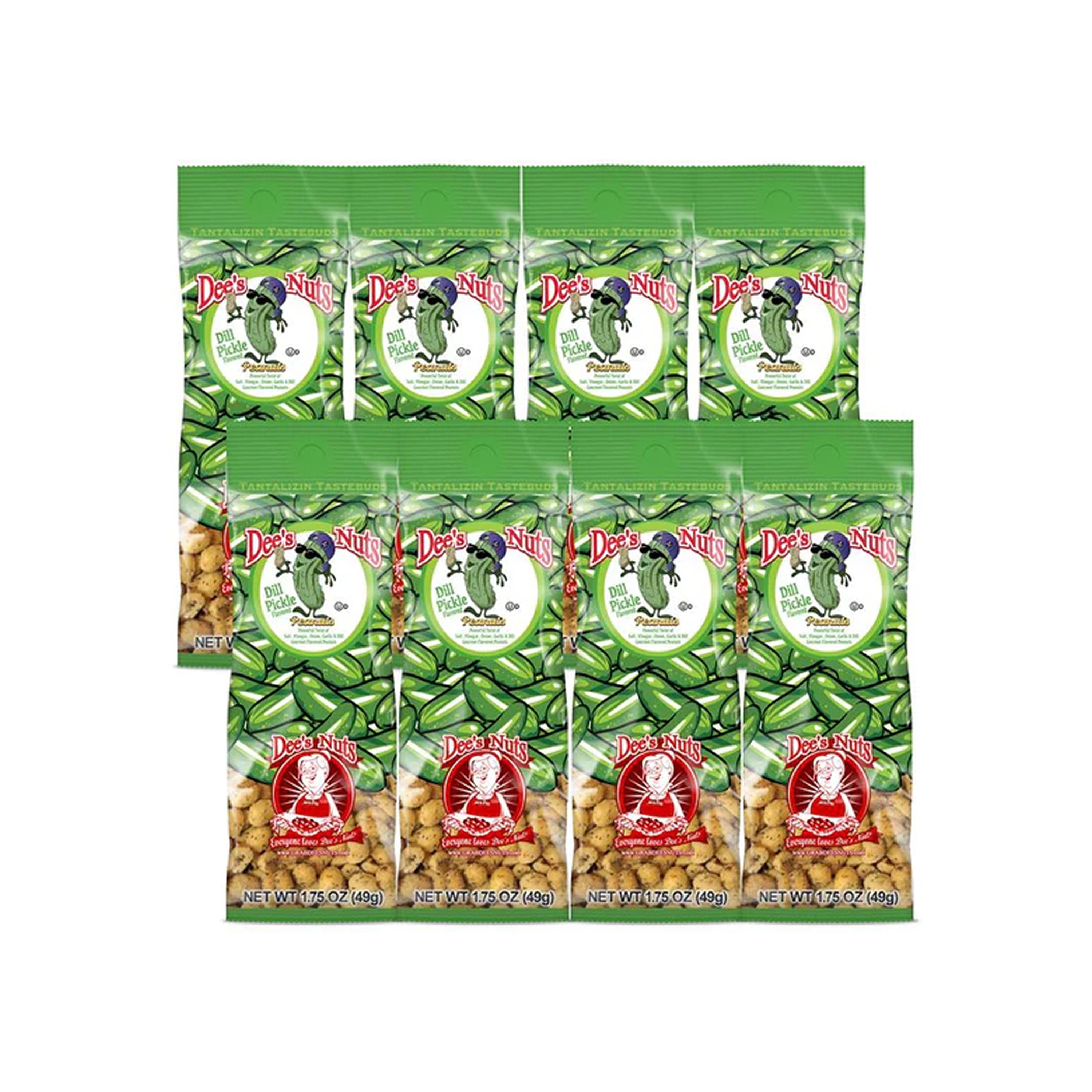
You can keep a small portion in your bag for an afternoon energy boost, pair them with fruit for a balanced snack, or add them to yogurt or oatmeal for extra texture. Tossing nuts into salads or enjoying flavored varieties also keeps things interesting without compromising nutrition.
The key is choosing options you genuinely enjoy. When snacks feel indulgent but still support your goals, consistency becomes effortless.
Frequently Asked Questions
Can nuts reduce cholesterol naturally?
Yes. Regular nut consumption has been shown to lower LDL cholesterol and improve overall lipid balance when eaten as part of a healthy diet.
How long does it take to see results?
Many people notice improvements in cholesterol levels within four to six weeks of consistent intake.
Are nuts safe to eat every day?
Absolutely, as long as portions are controlled. A small daily serving is enough to deliver benefits.
Do nuts cause weight gain?
Despite being calorie-dense, nuts are linked to better appetite control and are not associated with weight gain when eaten mindfully.
Are all nuts equally beneficial?
Each nut offers different nutrients, which is why variety is recommended. Together, they support heart disease prevention nuts strategies backed by research.
A Better Way to Snack
Heart health doesn’t require giving up snacks, it requires choosing smarter ones. Nuts offer flavor, satisfaction, and real benefits without turning food into a chore. When enjoyed regularly and in moderation, they support your heart quietly and consistently.
If you’re someone who snacks daily and wants those choices to actually mean something for your long-term health, nuts are one of the simplest upgrades you can make. Small handfuls, big impact that’s the beauty of it.